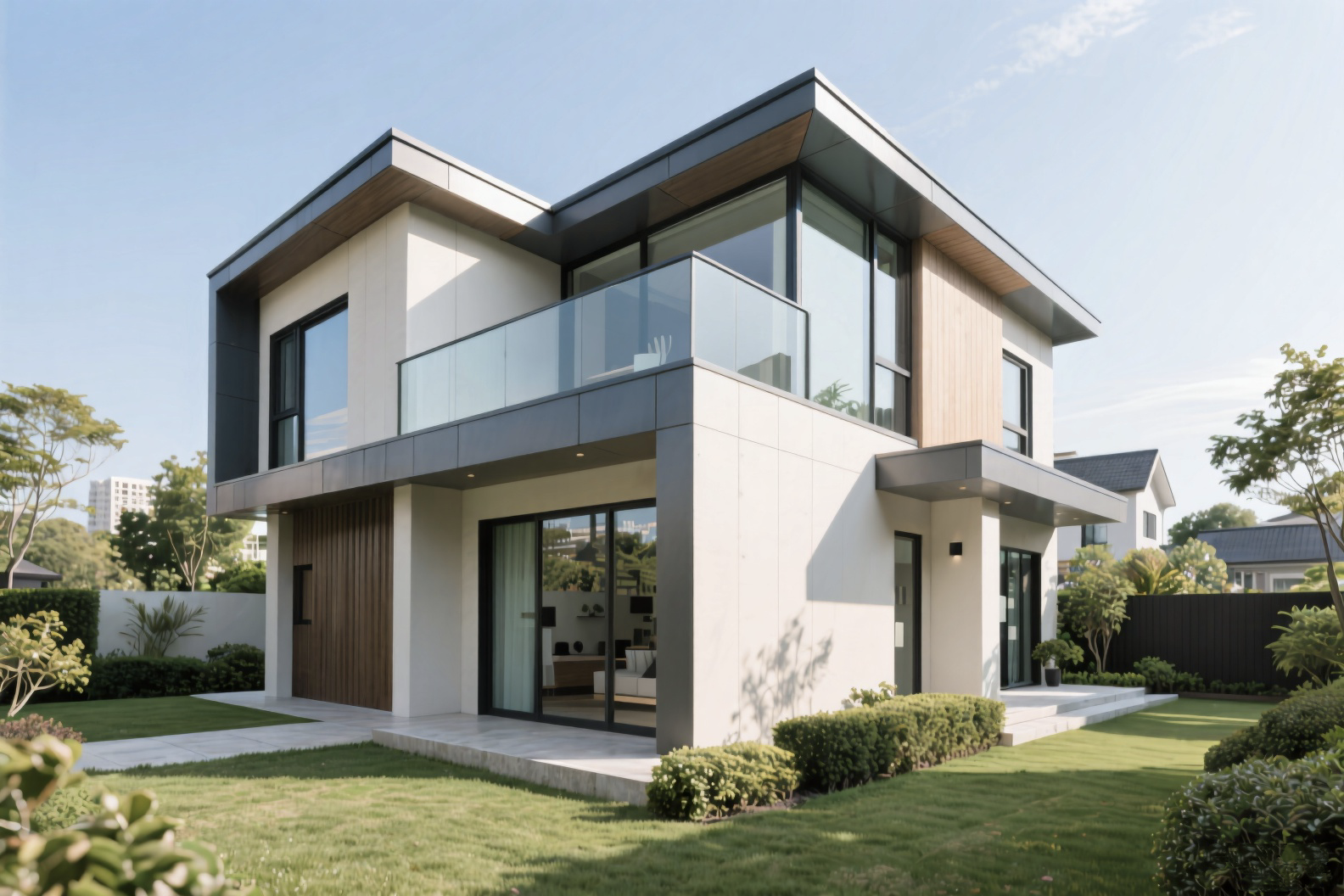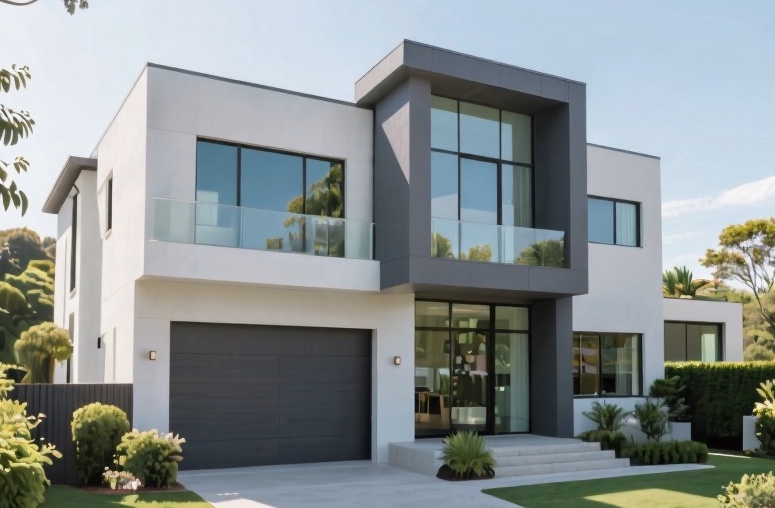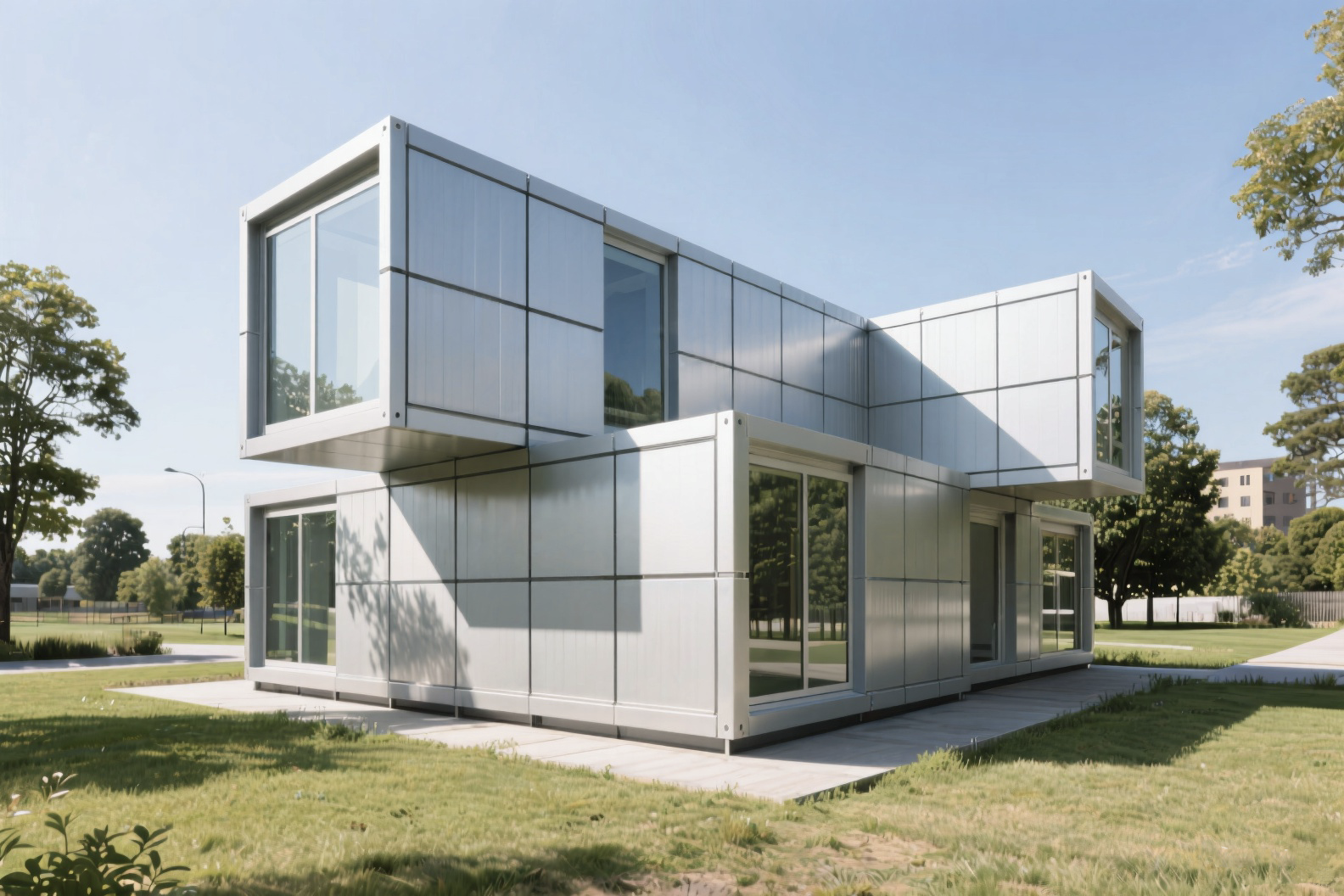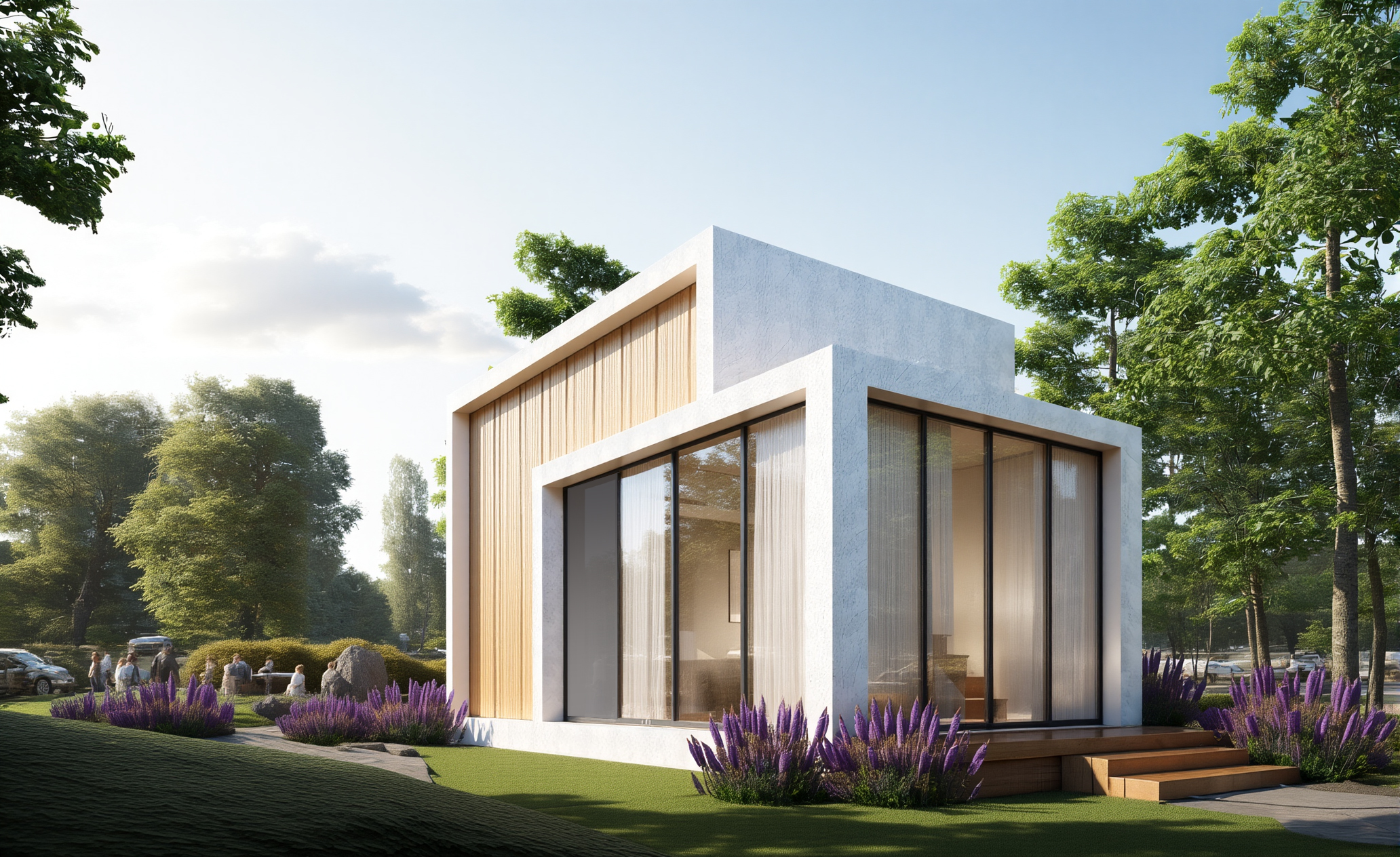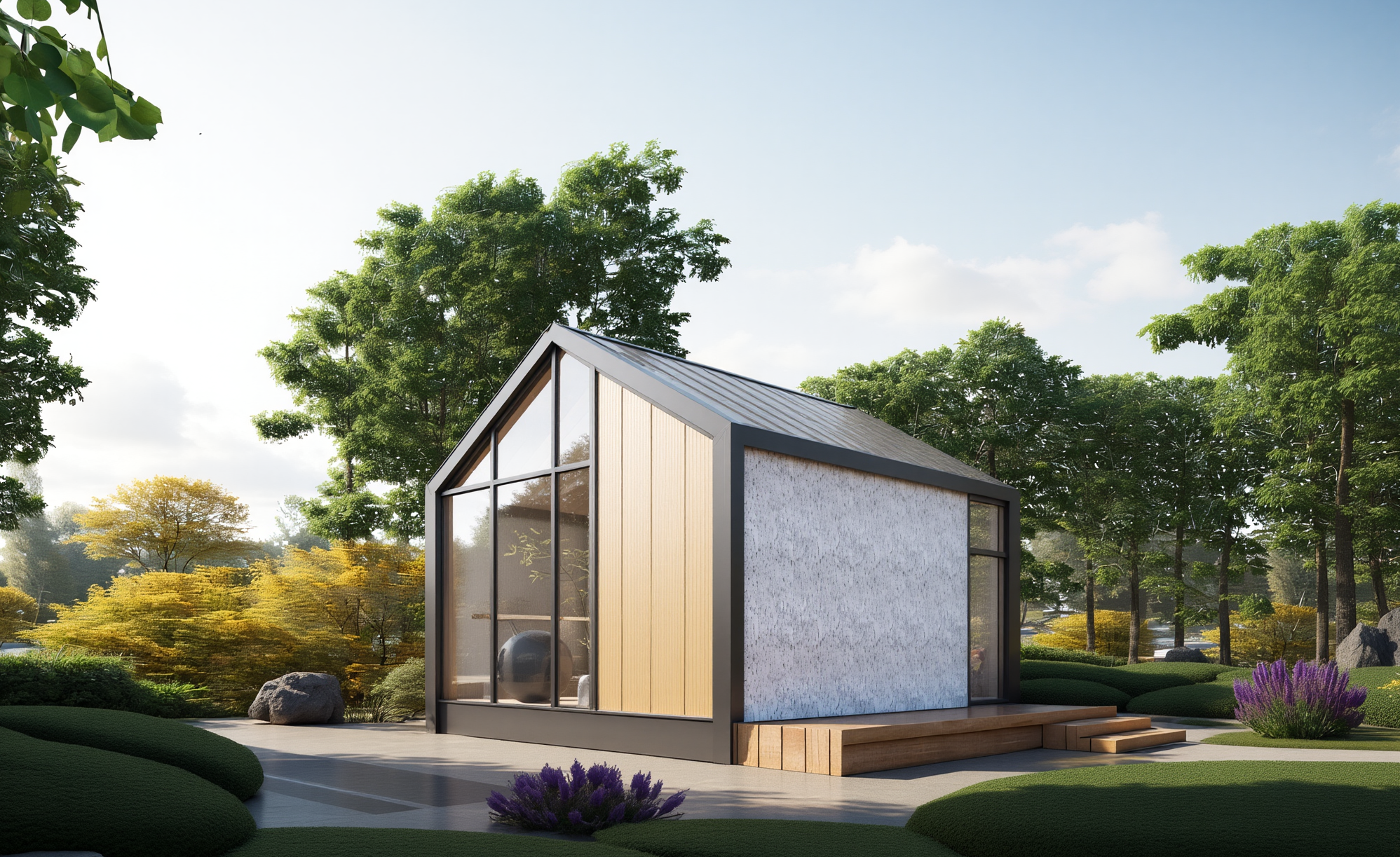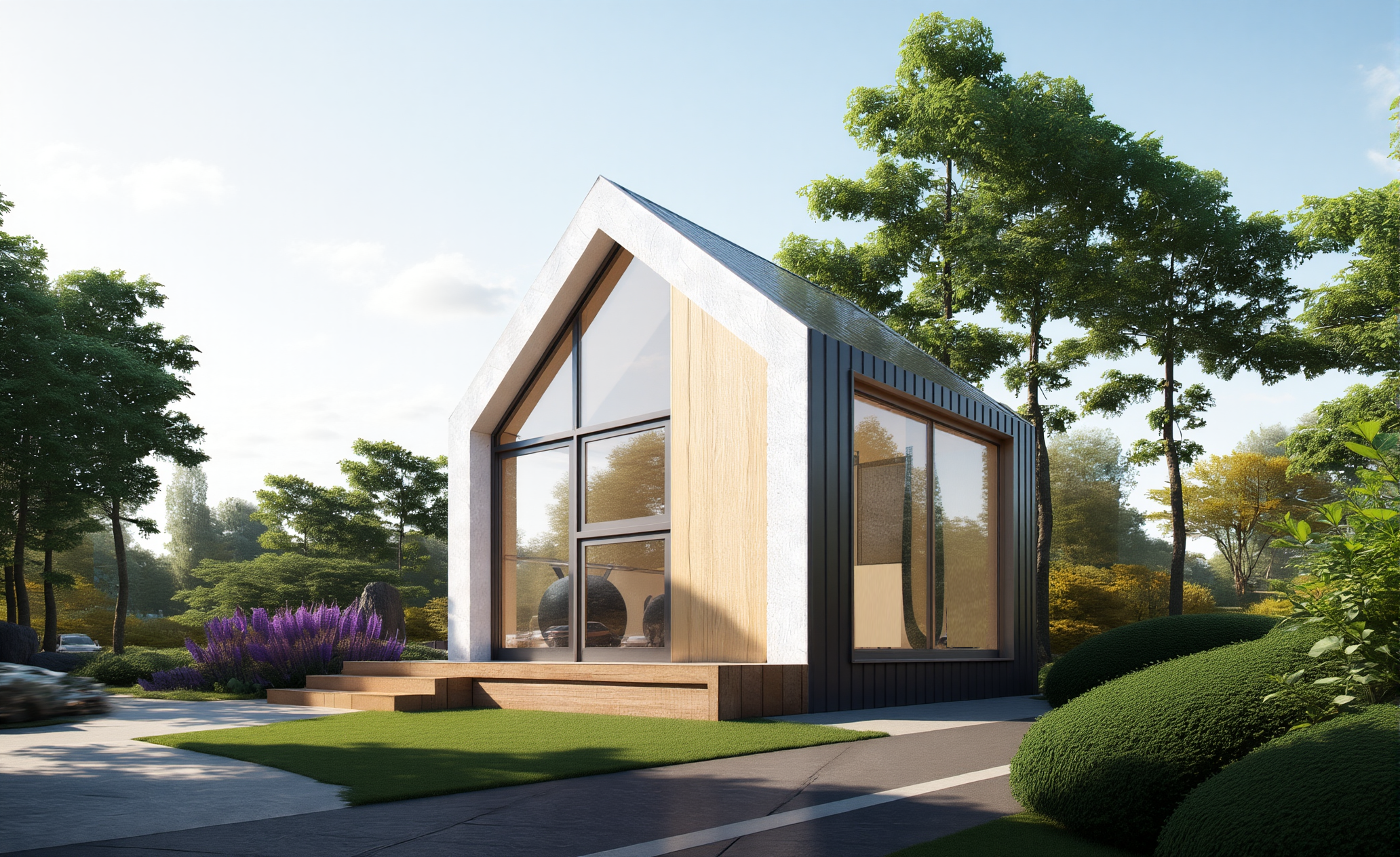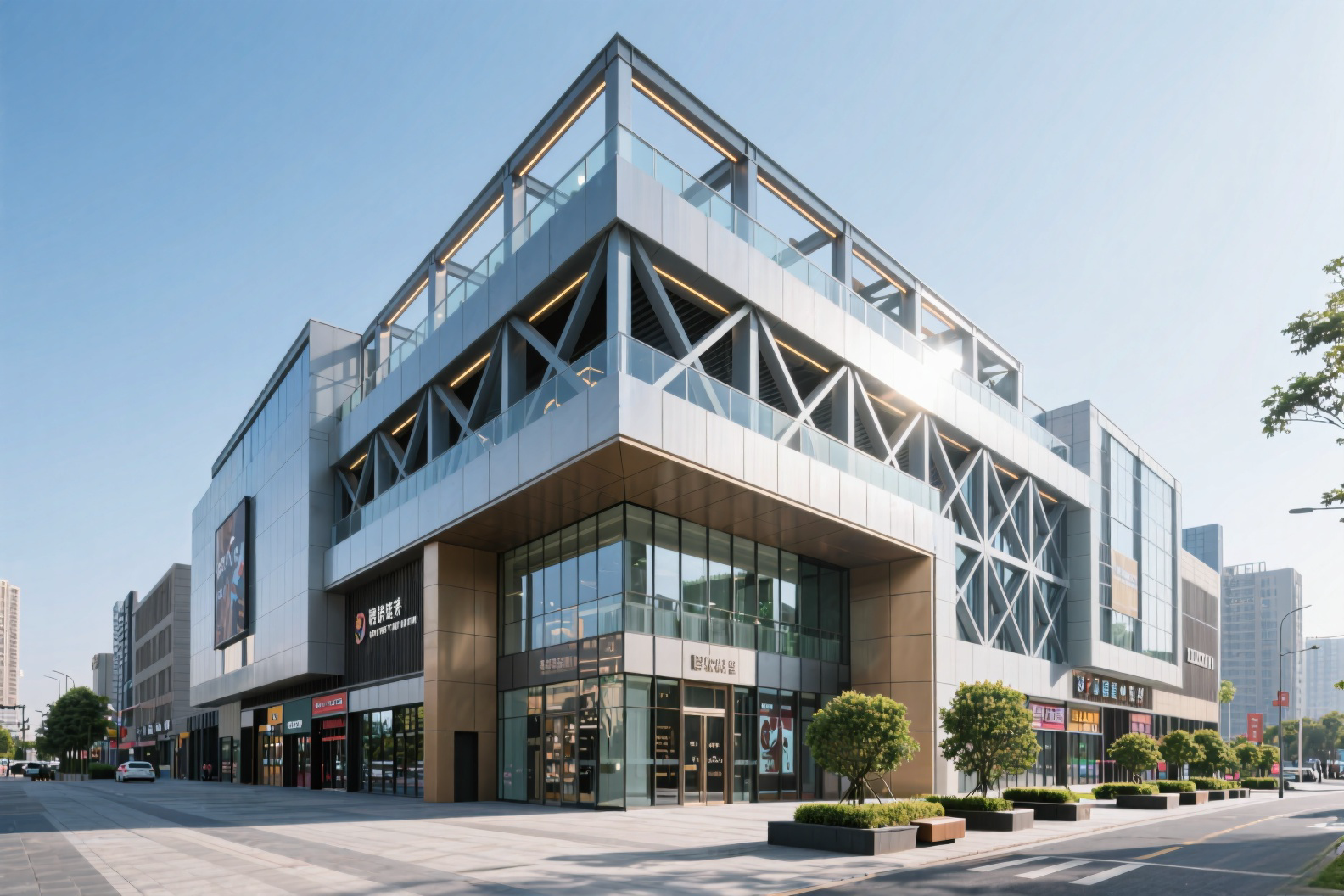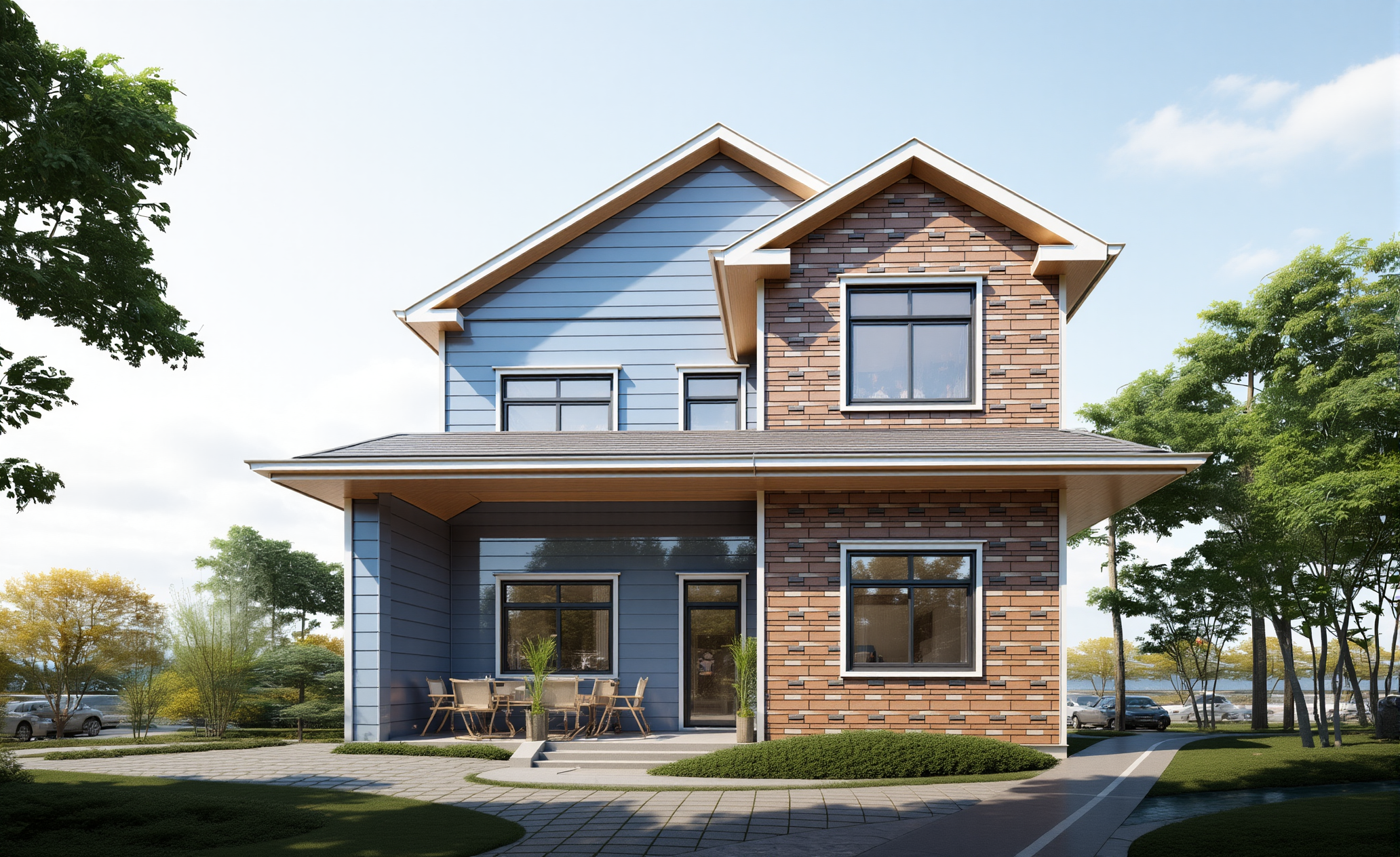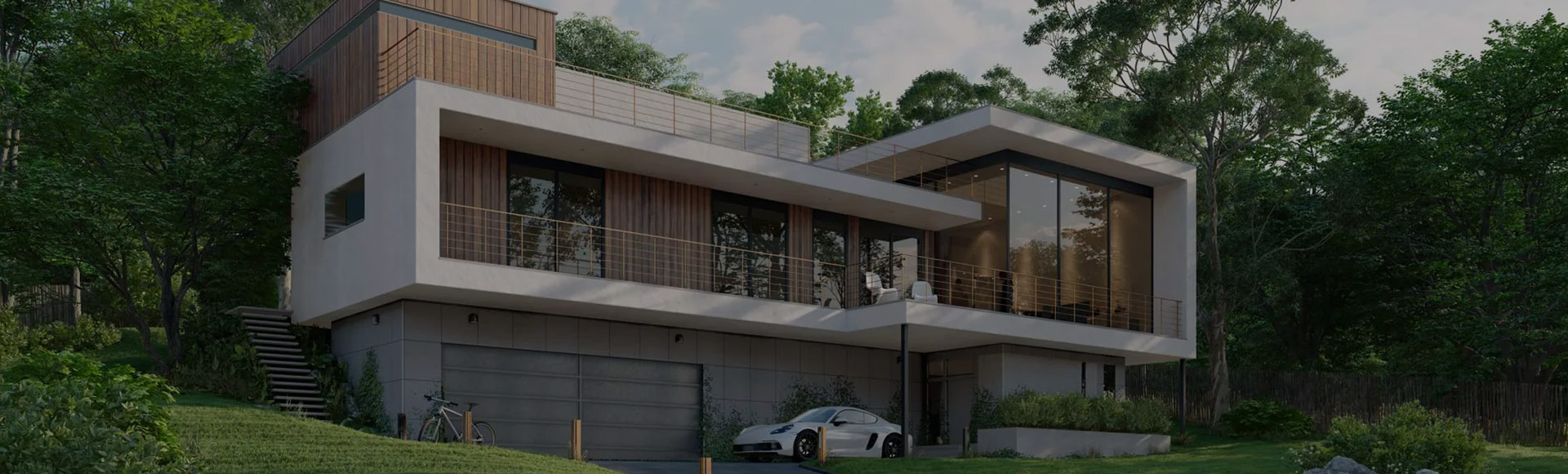
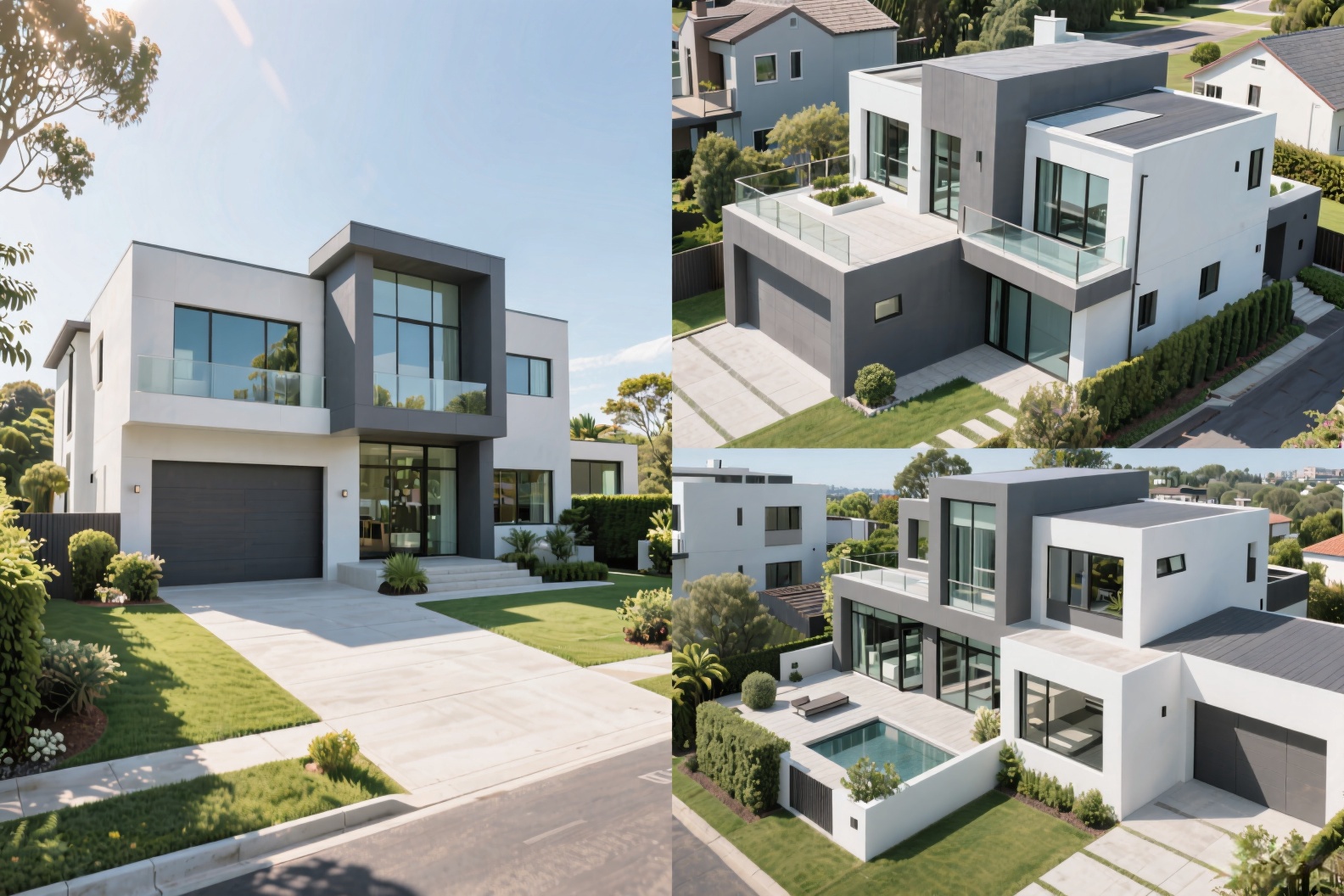
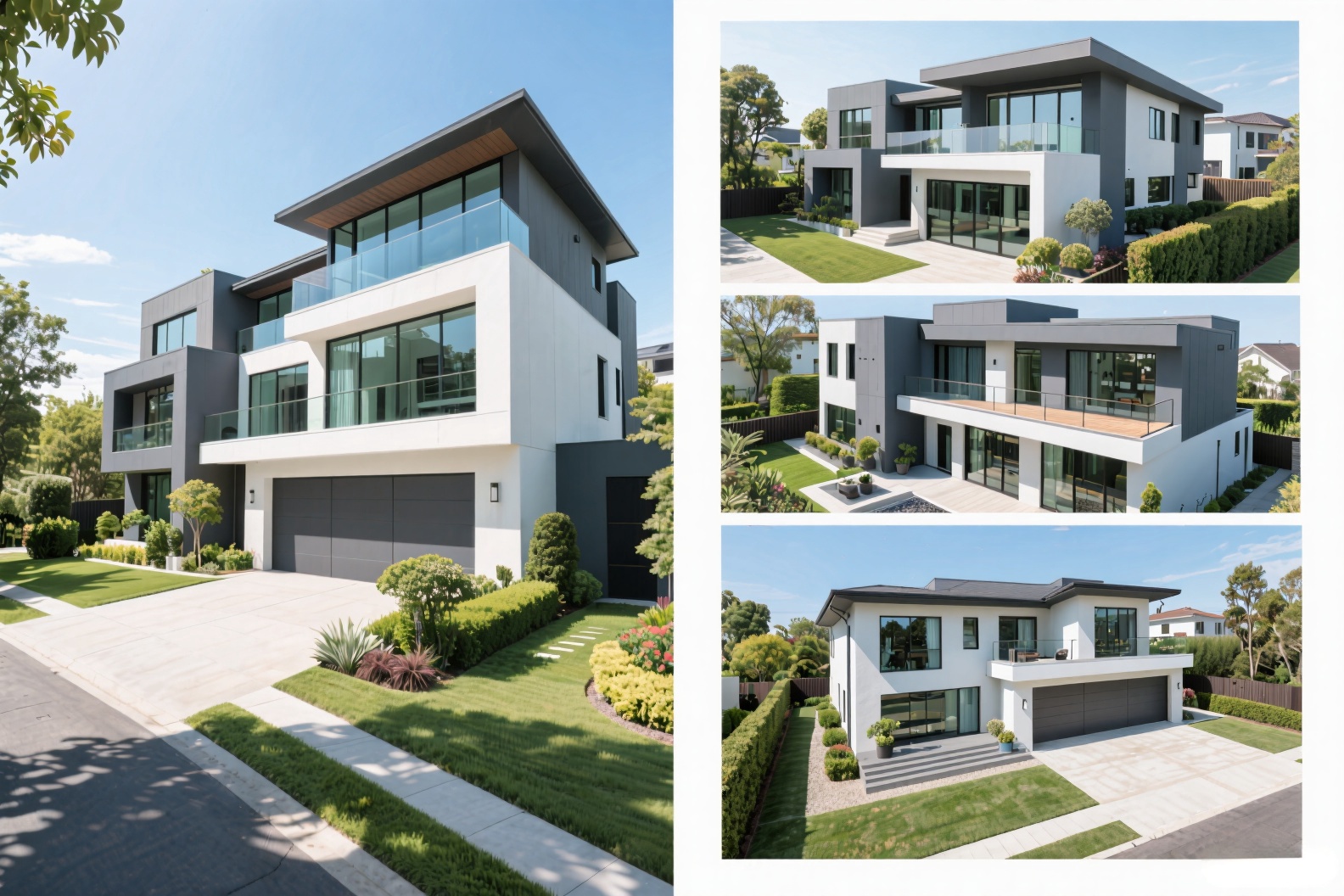
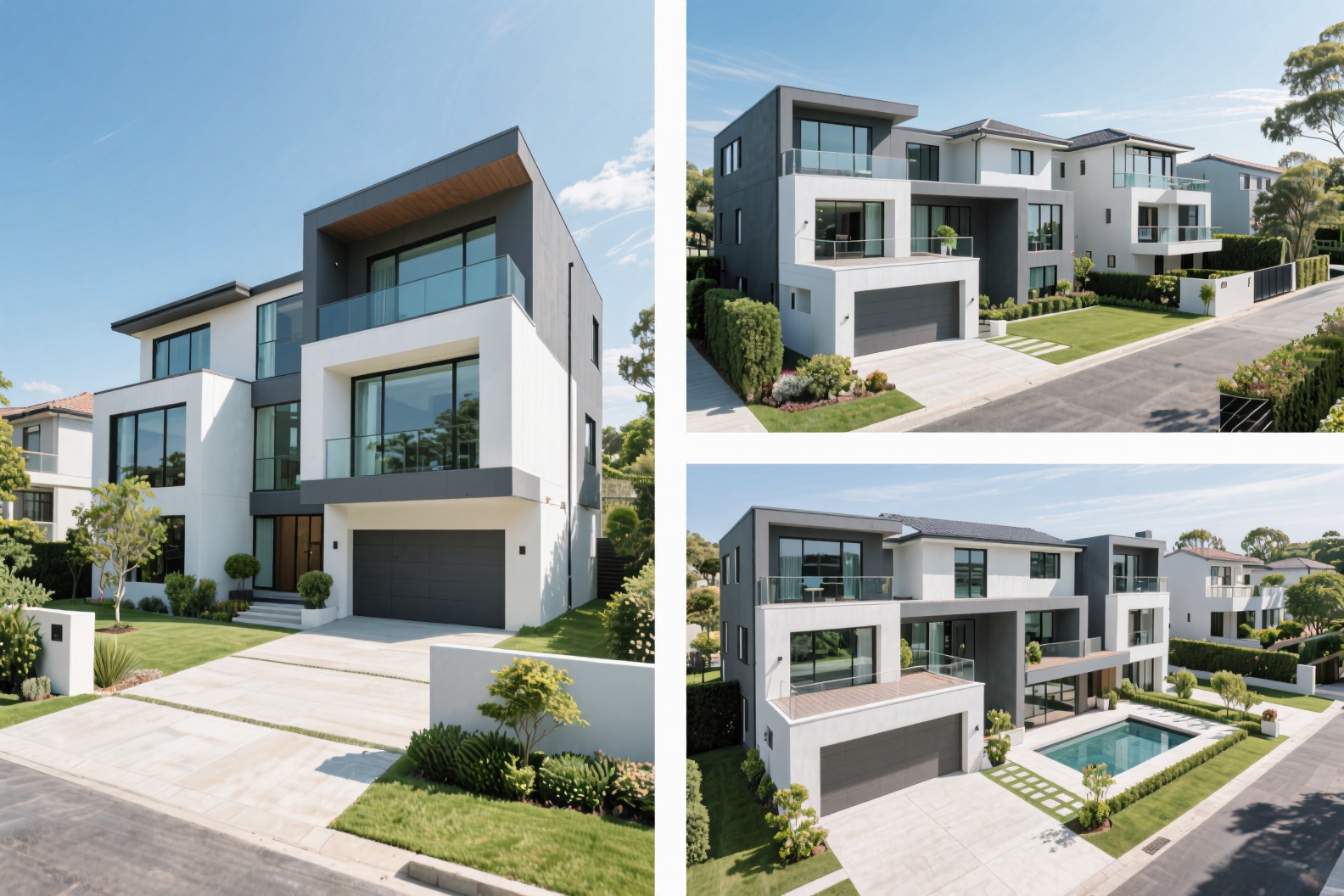
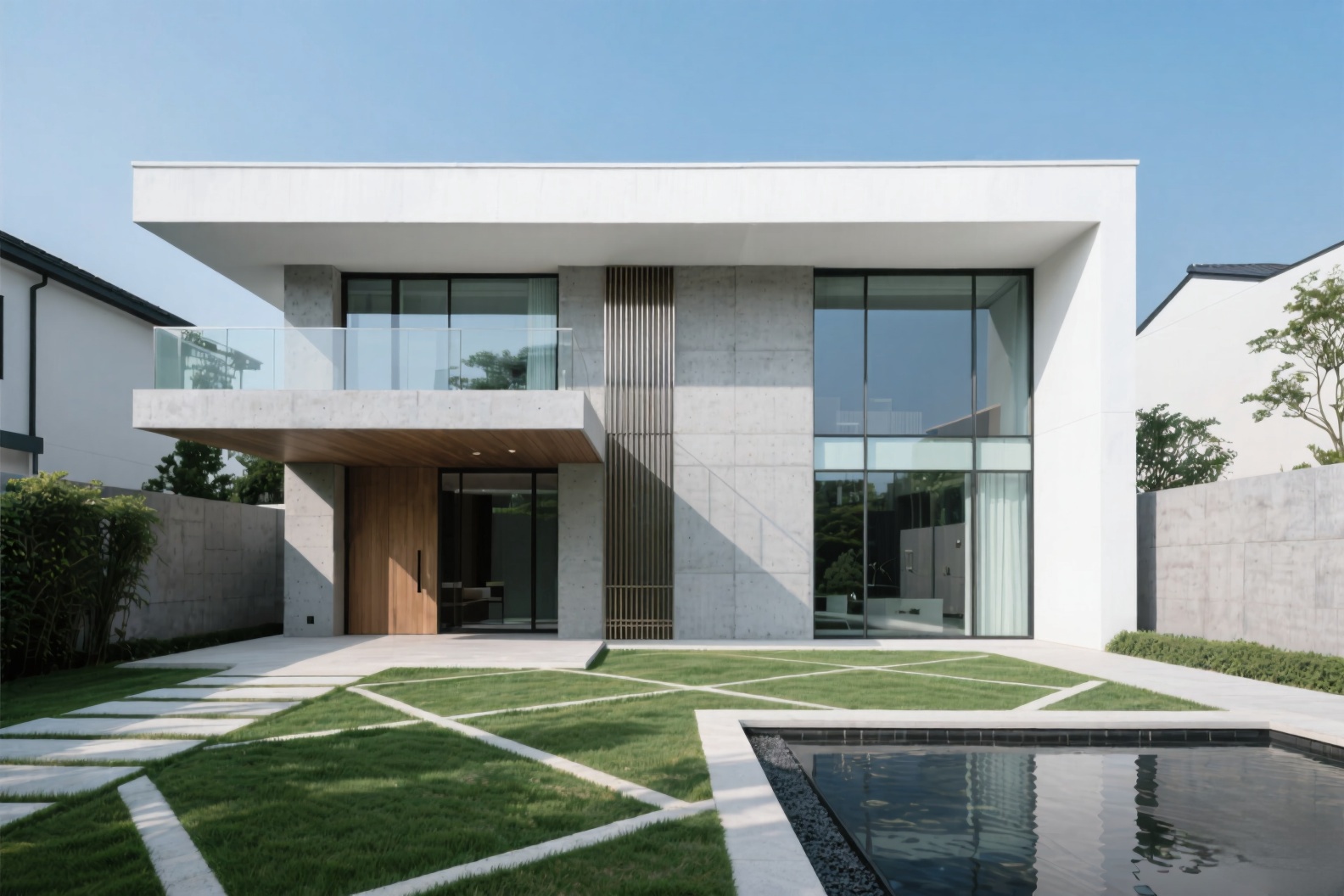
ADVANTAGE 1. Excellent speed and efficiency (significantly reducing check-in time): Factory production: The core modules of residential buildings (walls, floors, roofs, etc.) are manufactured in parallel in a controlled factory environment, unaffected by inclement weather. This means that the main structure of your house can be quickly "printed" in the factory. On-site rapid assembly: It can typically shorten the overall construction period by 30%-70%, allowing you to move in or put into use faster. 2. Higher quality and precision (guaranteed by robust and durable quality): Precision manufacturing: The factory environment ensures strict quality control throughout the production process. 3D printing technology can achieve extremely high geometric accuracy and dimensional consistency, reducing human error. Material consistency: The mixing ratio and pouring/printing process of concrete or other printing materials are strictly controlled, ensuring the uniformity of component strength and durability. Reducing on-site variables: It reduces the risk of quality fluctuations commonly seen on traditional construction sites, which are often caused by factors such as weather and differences in worker skills. |
|
| 3. Enhanced structural performance and safety (the foundation for comfortable living): Strong integrity: 3D printing can easily produce integrated, seamless, and complex curved surface structures, and the overall structural performance is often superior to traditional block structures. High strength and durability: The specially crafted printed concrete typically exhibits high compressive strength, resulting in walls that are exceptionally sturdy and dense. These walls possess excellent wind resistance, seismic resistance (depending on the design), and fire resistance. 4. Degree of freedom and innovativeness in design (possibility of realizing unique visions): Complex forms: 3D printing technology excels in manufacturing complex curved surfaces and organic forms that are difficult or prohibitively expensive to achieve using traditional methods, offering you more unique and futuristic design options. Customization potential: Theoretically, digital models can be easily adjusted, providing a more flexible foundation for customization to meet your specific functional needs or aesthetic preferences. |
5. Significant sustainability and environmental benefits (a green choice for the future): Reduce material waste: Precise on-demand printing can significantly reduce (even nearly eliminate) the loss of building materials, offering clear advantages over traditional construction methods. Optimizing material usage: Structural optimization design allows for precise printing of materials only at the intended locations, reducing unnecessary material consumption. Potential use of eco-friendly materials: The industry is actively researching and developing the use of recycled materials or low-carbon cement as printing materials to further reduce the carbon footprint. 6. Improve construction safety (human-centered care): Reducing on-site risks: By transferring a significant amount of work involving high-altitude and heavy physical labor to the ground-based factory environment, the risk of injury to workers on the construction site has been significantly reduced. |
|